5 Easy Ways to Make Your Garden More Eco-Friendly
Eco-Friendly Gardening
5 Easy Ways to Make Your Garden More Eco-Friendly
Earth Day is a good moment to think about how to make your garden more eco friendly – not in an overwhelming way, but through small, meaningful changes that add up over time. The good news is that gardening is already one of the most positive things you can do for the environment, and a few simple swaps can make it even more so.
Simple eco-friendly swaps that make a difference:
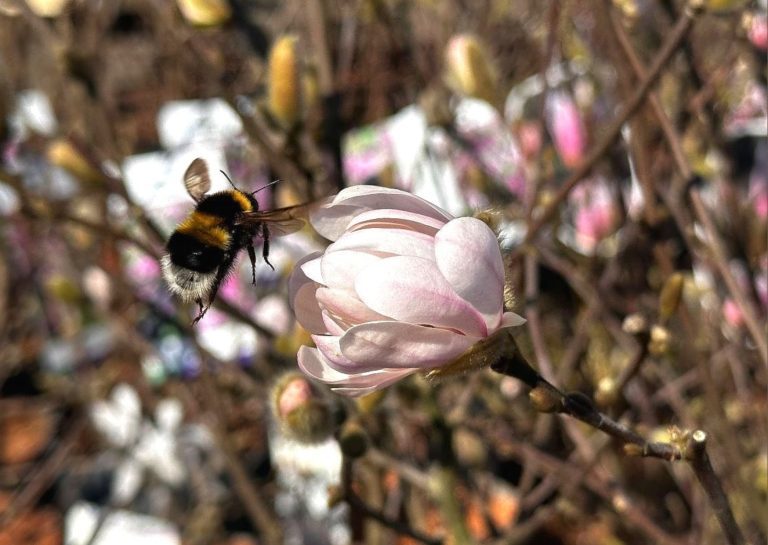
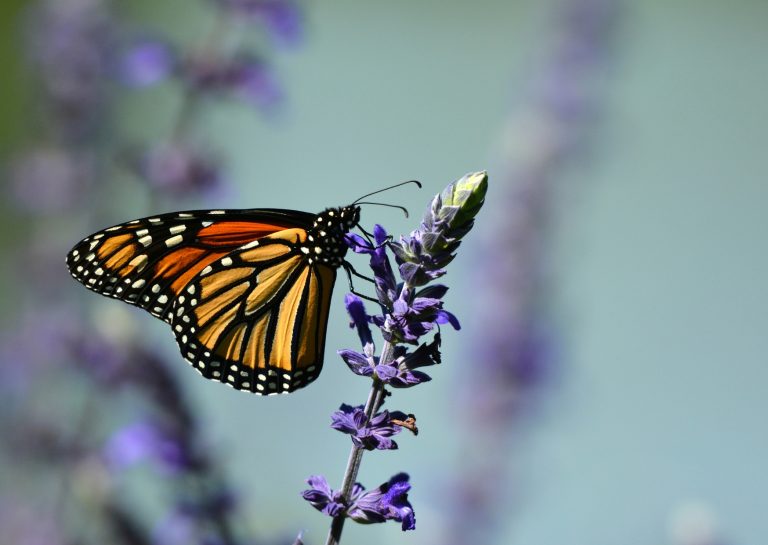
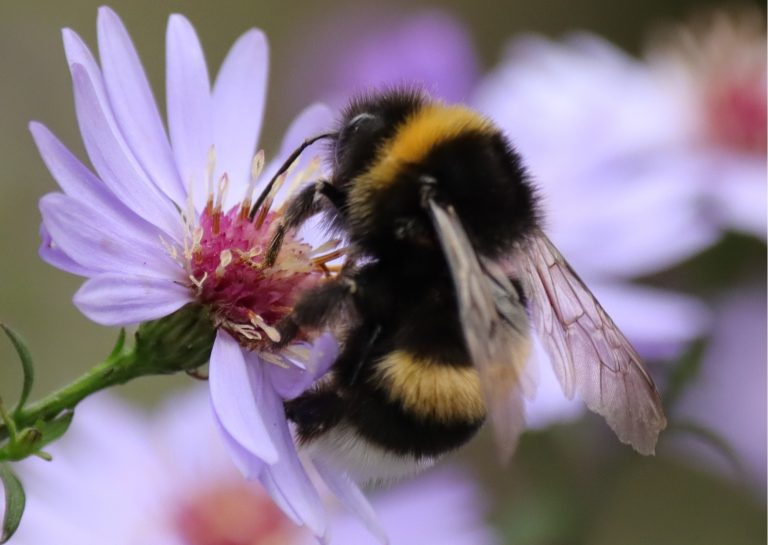
1. Plant something pollinators love
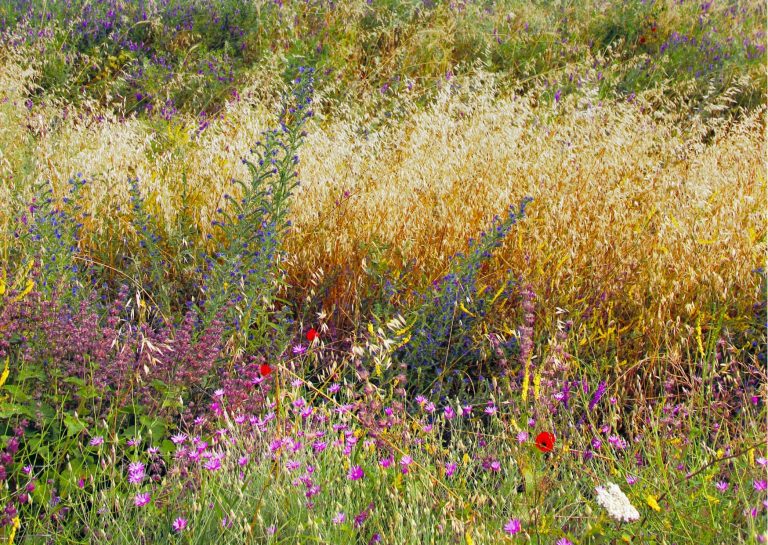
Bees, butterflies, and hoverflies are under real pressure – and one of the simplest things you can do is make your garden a place they want to visit.
Pollinator-friendly plants don’t have to mean wildflowers only. Many of the plants we already love – lavender, alliums, salvias, verbena bonariensis, and single-flowered dahlias – are brilliant for bees. The key is to choose plants with accessible, open flowers rather than heavily doubled varieties where pollinators can’t reach the nectar.
Aim for something in flower from early spring through to late autumn if you can. A garden that feeds pollinators for eight or nine months of the year makes a real difference to local populations.
Good choices for late April planting: lavender, alliums, hardy geraniums, aquilegia, and phacelia (one of the best bee plants you can grow).
2. Grow some of your own food
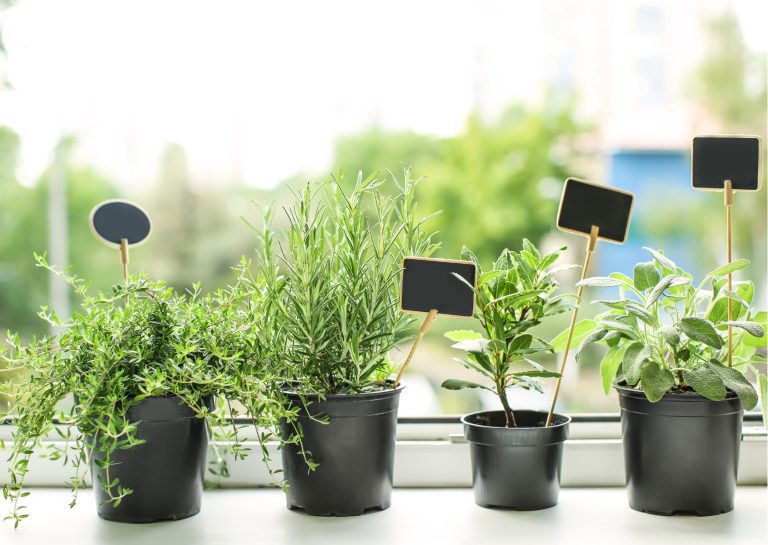
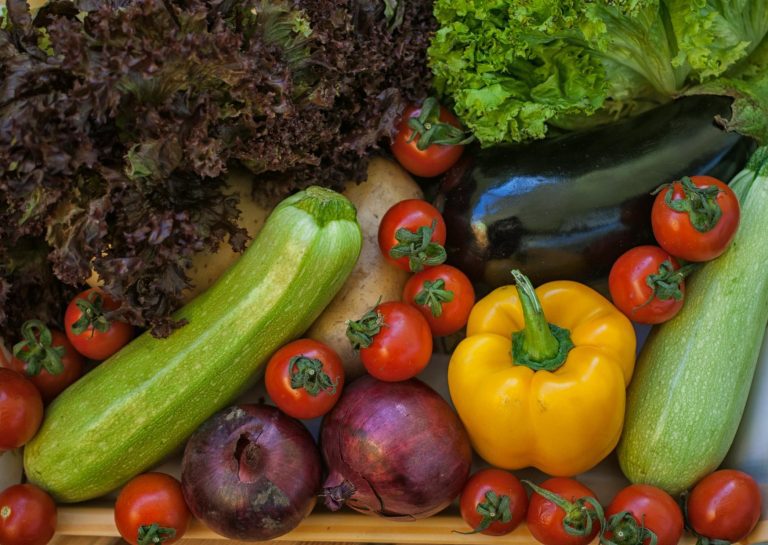
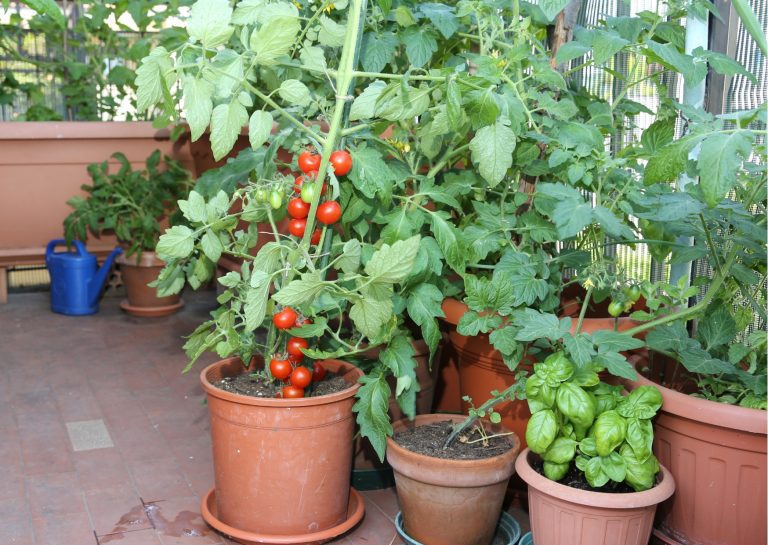
You don’t need an allotment or even a raised bed. A few pots of herbs on a windowsill, a grow bag of tomatoes on the patio, a couple of courgette plants in a sunny corner – all of it counts.
Growing your own food reduces the miles your meals travel, cuts down on plastic packaging, and produces food that genuinely tastes better. It also connects you to the seasons in a way that’s hard to replicate any other way.
Late April is a brilliant time to start. Herbs like basil, chives, and parsley can go straight into pots now. Veggies like tomatoes and courgettes are in the garden centre now, and can be hardened off over the next few weeks before planting out after the last frost.
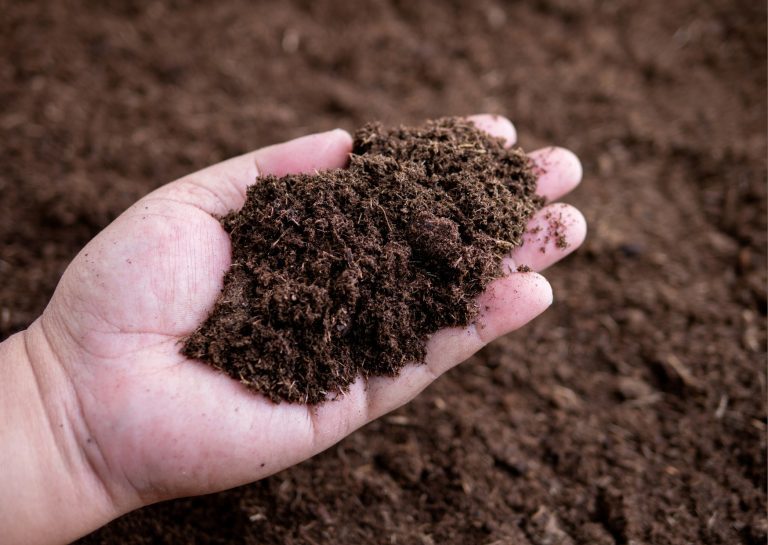
3. Make the switch to peat-free compost
This one is worth talking about because the difference it makes is significant. Peatlands are one of the most important carbon stores on the planet – they store more carbon than all the world’s forests combined – and yet for decades, gardeners have been using bagged peat compost without really knowing the impact.
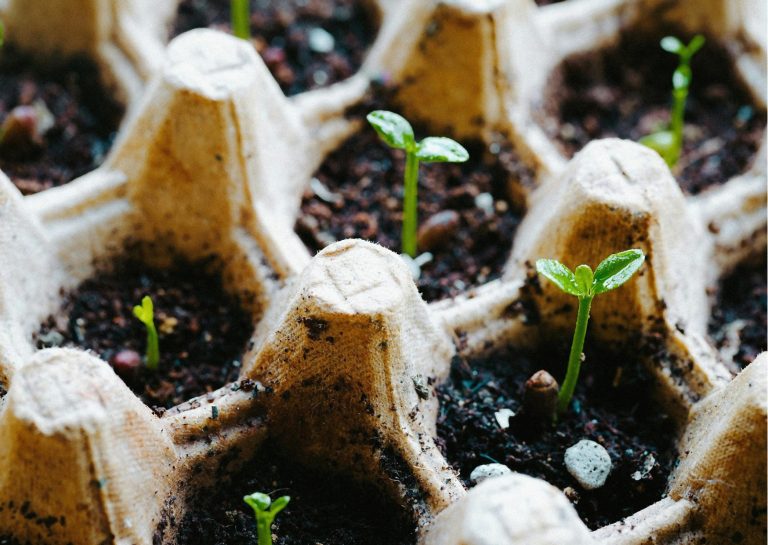
Peat-free alternatives have come a long way. The early versions had a reputation for being tricky to work with, but modern peat-free composts – particularly those based on coir, bark, or wood fibre – are genuinely good. They’re well-draining, moisture-retentive, and reliable for everything from seed sowing to potting on. Over 95% of our compost is now peat free.
If you’re not sure where to start, ask one of our team. We’re happy to help you find the right peat-free product for what you’re growing.
4. Think about who else shares your garden
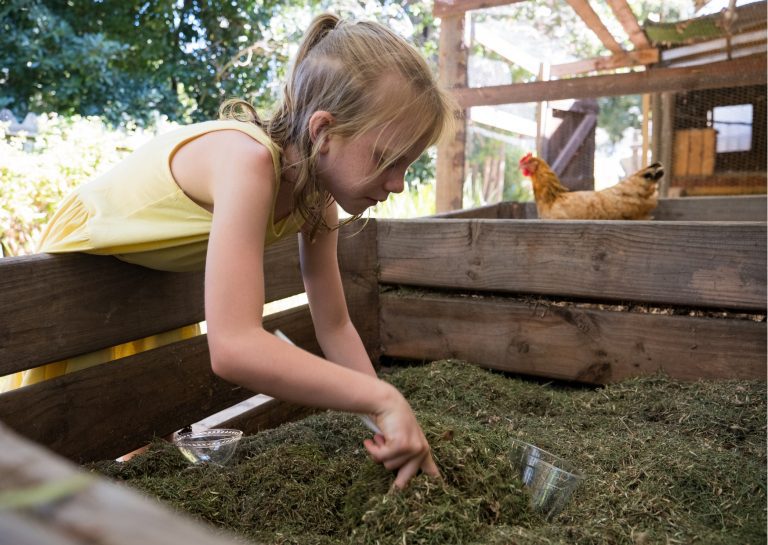
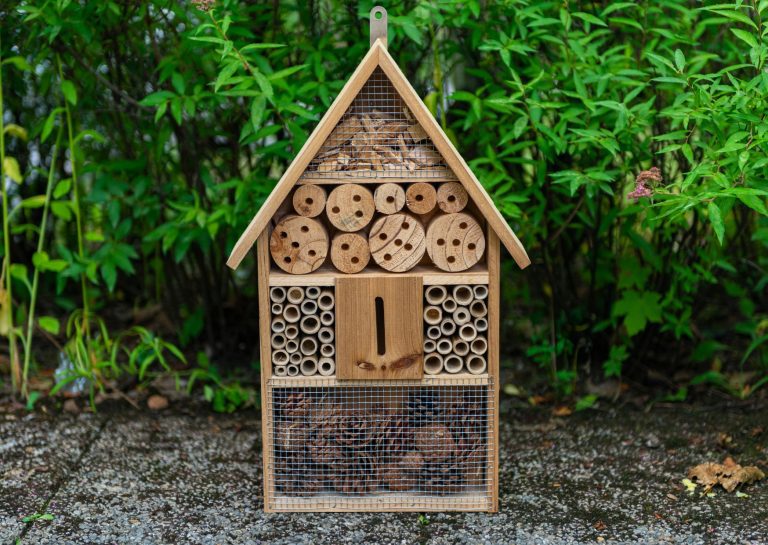
Small, deliberate features like a bug hotel tucked into a border, a bird feeder by the kitchen window, a small patch of long grass left to grow all create habitat that garden wildlife desperately needs.
A few easy things to consider:
- Leave a corner of your lawn to grow longer – even a small patch provides cover for insects and foraging ground for hedgehogs
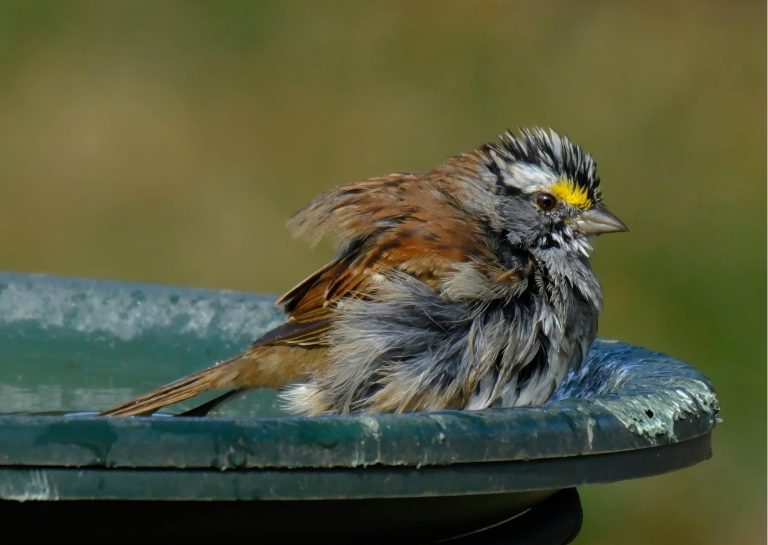
- Add a water source – a shallow dish of water is enough for birds and insects; a small pond if you have the space is even better
- Put up a bird feeder or nesting box – spring is the best time to get these in place
- Let some of your herbs flower – flowering chives, fennel, and borage are all fantastic for beneficial insects
Explore our range of wild bird care products online, or visit us in-store to browse our full range of garden wildlife care
5. Think about water
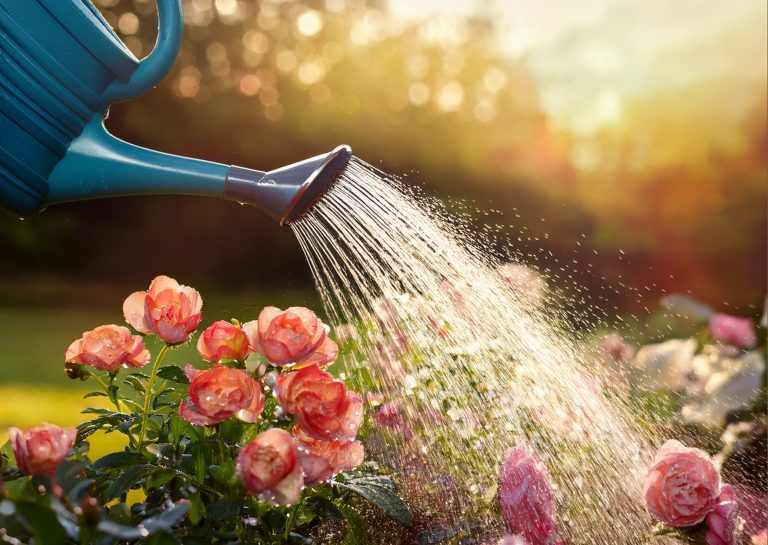
Water is easy to take for granted in a British garden, but when watering and irrigation tools are used thoughtfully, it can be an incredibly impactful change for a gardener to make.
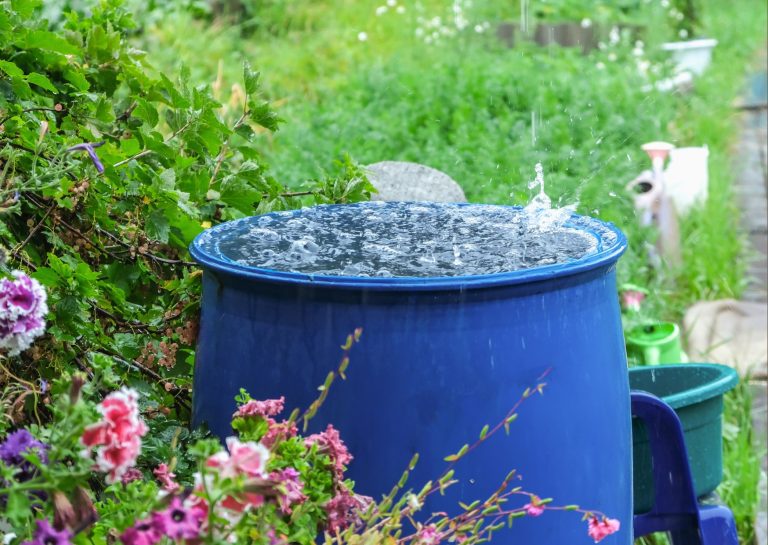
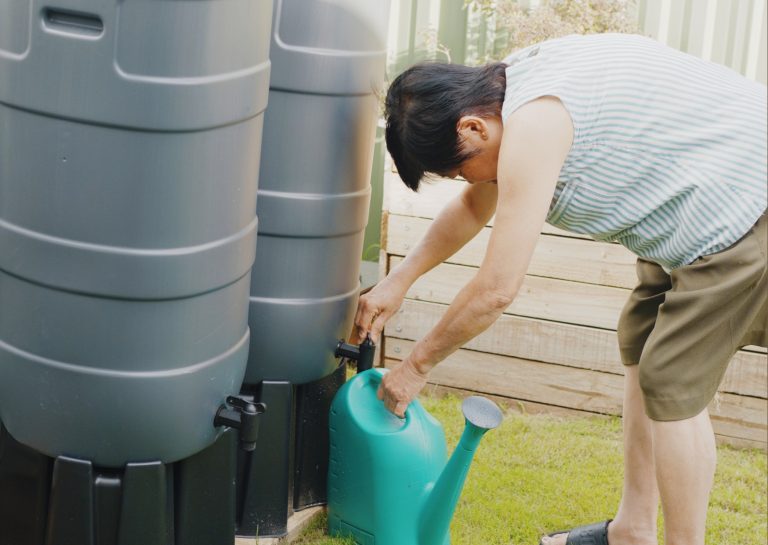
A water butt connected to a downpipe is one of the best investments in the garden – collected rainwater is actually better for your plants than tap water (especially for ericaceous plants like rhododendrons and blueberries), and it reduces pressure on the mains supply during dry spells.
Other small habits worth building: water in the early morning or evening to reduce evaporation, water at the base of plants rather than over the foliage, and group pots together to slow moisture loss.
If you’re wondering how to make your garden more eco friendly without overhauling everything at once, the answer is simply to start somewhere. Pick one thing this weekend – a bag of peat-free compost, a tray of pollinator-friendly plants, a packet of salad seeds – and start there.
Small actions, done by a lot of people, add up to something meaningful. And there’s a lot to be said for the fact that looking after a garden and looking after the planet turn out to be more or less the same thing.